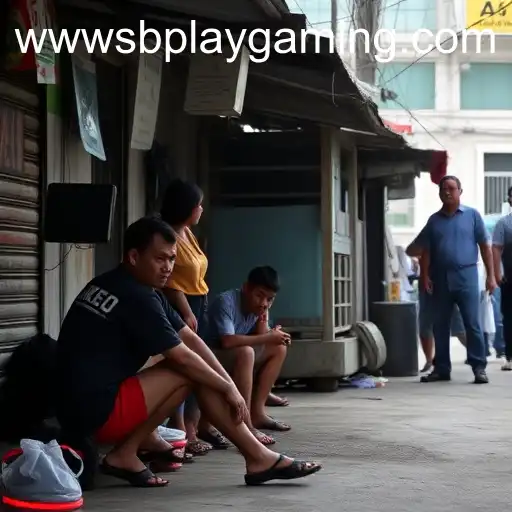
Understanding Jueteng: A Deep Dive into Its Socio-Economic Implications with SB PLAY GAMING
In the rich tapestry of Filipino culture, Jueteng holds an infamously unique position. This illegal numbers game, although outlawed, continues to thrive in many parts of the Philippines. Jueteng is often more than just a game; it reflects intricacies of socio-economic structures and the resilience of illicit economies. With the rise of digital gaming platforms like SB PLAY GAMING, discussions around gambling practices, both legal and illegal, have gained new dimensions.
The Historical Context of Jueteng
Jueteng traces its origins back to the Spanish colonial period, wherein it first emerged among the lower-income groups. Characterized by its simplicity, the game requires bettors to choose a pair of numbers from 1 to 37, betting on the chance of their number being drawn. Its deeply ingrained presence in Philippine society reflects not solely a penchant for gambling but a systemic issue linked to poverty and limited economic opportunities.
How Jueteng Operates
Despite its illegality, Jueteng’s operation is often structured with an informal network. At the grassroots level, it involves a collector or "kubrador," who gathers bets from players. The numbers are drawn daily, and winners receive cash prizes. This informal setup thrives on community trust and the substantial credit system backing it. Players, often from financially distressed backgrounds, view it as a potential ticket out of poverty, if not a temporary financial reprieve.
Economic Impact and Challenges
Jueteng's economic footprint cannot be underestimated. It provides employment—from the kubrador to the higher echelons of coordinators and financiers. Despite this, the game siphons potential government revenue that could be raised through taxation if it were legal. The persistent advocacy against Jueteng labels it a societal vice, pointing to addiction and the potential for financial ruin. Herein lies a paradox: communities entrapped by poverty find themselves reliant on Jueteng, which, in turn, perpetuates their economic precarity.
The Societal Influence of Jueteng
The societal implications of Jueteng extend beyond economic factors. In many regions, it is perceived as a cultural staple, a near-daily ritual for many. Politicians and local officials, aware of Jueteng's potential to sway public opinion, often find themselves embroiled in scandalous links with operators to secure electoral advantages.
The advent of digital platforms like SB PLAY GAMING further complicates the landscape. While platforms such as these offer legal avenues for gaming, they also highlight the stark contrast between regulated gaming approaches and underground operations like Jueteng.
SB PLAY GAMING: The Digital Transformation
In an era rapidly embracing digital technology, SB PLAY GAMING stands as a pioneer in promoting safe and regulated gaming experiences. This platform offers a plethora of games that cater to diverse preferences while ensuring a transparent system compliant with legal regulations. Players can indulge in gaming leisure without the inherent risks related to illegal gambling practices.
The rise of digital gaming offers unique insights into the shifting dynamics of the gambling sector. While SB PLAY GAMING provides a legal market alternative, its growth also signifies the potential for traditional methods such as Jueteng to adapt, challenging policymakers to innovate regulatory policies and leverage technology to ensure player protection and financial growth.
Legalization and Regulatory Dilemmas
The debate around Jueteng's legalization has persisted over the years. Legalizing Jueteng might potentially align with public interests, integrate operators into the formal economy, and help reduce corruption in the policing processes. However, legalizing Jueteng also comes with ethical concerns, notably the moral stance on gambling and its societal repercussion.
The challenge for authorities lies in crafting policies that safeguard public interest while addressing the economic implications. As online platforms like SB PLAY GAMING continue to reach broader audiences, understanding their ramifications parallelly with Jueteng offers invaluable lessons in navigating complex socio-economic and regulatory environments.
Conclusion: A Path Forward
The conversation about Jueteng, coupled with the emergence of legal digital gaming like SB PLAY GAMING, necessitates a nuanced understanding beyond mere legality. Policymakers, social advocates, and the gaming industry should engage collaboratively, focusing on sustainable regulatory approaches that consider the economic, cultural, and ethical dimensions of gambling in the Philippines.